When Chromebooks first came out over 10 years ago, I dismissed them as more low powered tech e-waste that would end up in the same dumpster bin as netbooks. The premise made sense (many of us spend a lot of our computing time in a browser), but it didn’t seem practical for various reasons.
Since then, Chromebooks (and widespread internet access) have grown by leaps and bounds, including added compatibility for Android and Linux apps. ChromeOS itself is based on Linux, which gives ChromeOS many of its central benefits:
- A lean footprint (10 second start-up)
- Relative freedom from viruses (malware does exist, but most of it is targeted toward Windows because of its larger market share)
- Flexibility of hardware choices (Linux can be run on almost any kind of hardware)
- Freedom from preinstalled Microsoft bloat
- Relief from Apple’s expensive prices (and yes, to be fair, their products do last and hold their value for longer)
However, because of its deep integration with Google and Google services many Linux users would rather stick to more privacy-focused and full-blown desktop distributions like Linux Mint, Fedora, or Zorin. Or if you’re more technically inclined, Arch (btw).
That said, despite obligatory integration into the Google ecosystem, ChromeOS seems like one of the closest things to Linux on the desktop done right. The year of the Linux desktop may have never arrived, but Google’s deals with OEM manufacturers and its marketing muscle is the closest thing to making Linux more mainstream.
Even though I don’t have a background in tech (healthcare and education are my bread and butter), I have always liked to experiment with new things and “third options”. In college, popping in a copy of Mandrake Linux to rehabilitate my perpetually blue screen of death Windows Me PC represented that (and Linux still represents that on my Thinkpad), and my hope is for this blog to be a computing experiment outside of the mainstream duopoly of Windows and Mac. No shade to the prior two OSes, as I also tend to be pretty OS agnostic and think you should choose whichever platform meets your needs.


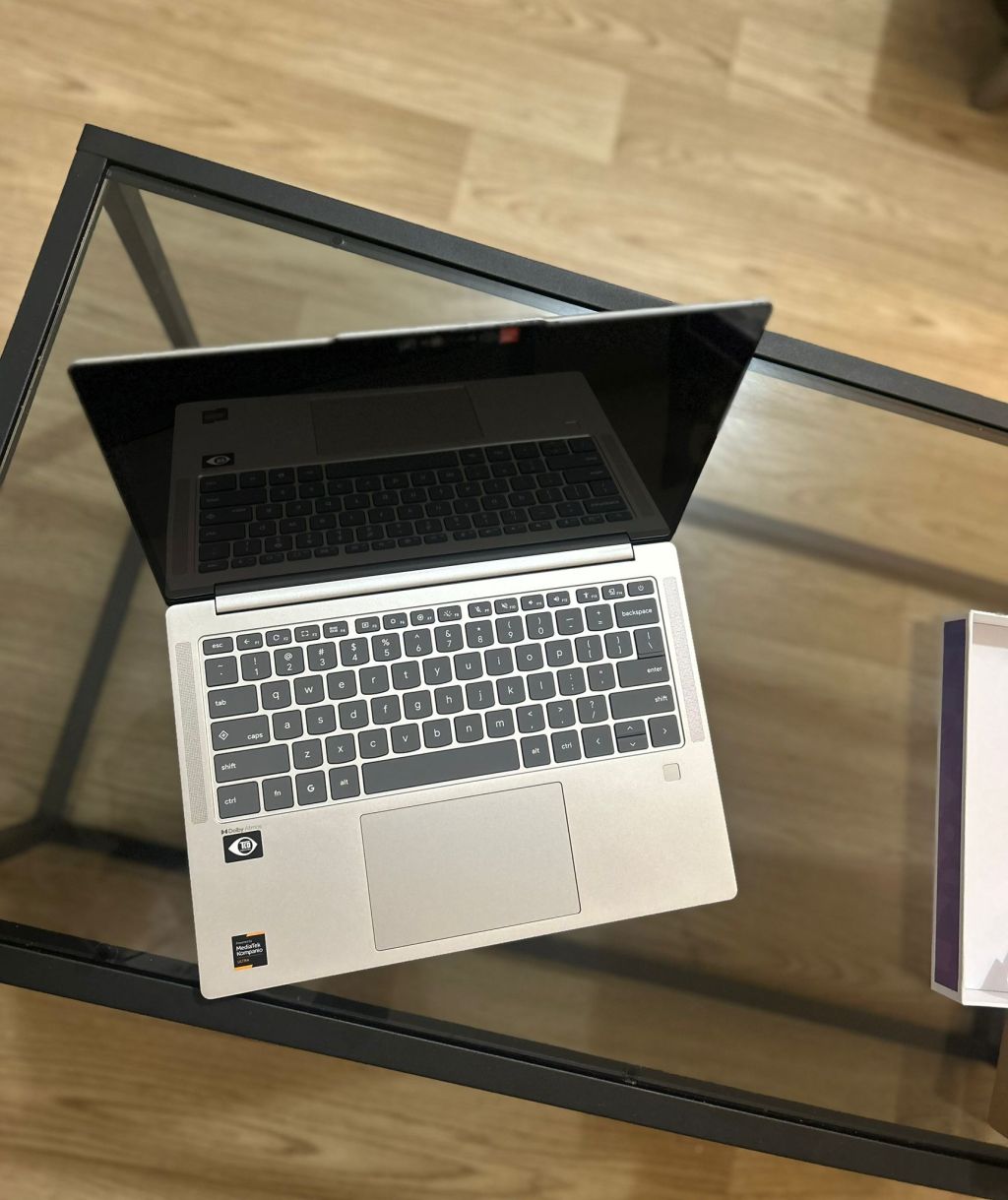
 Chromebook Reviews