
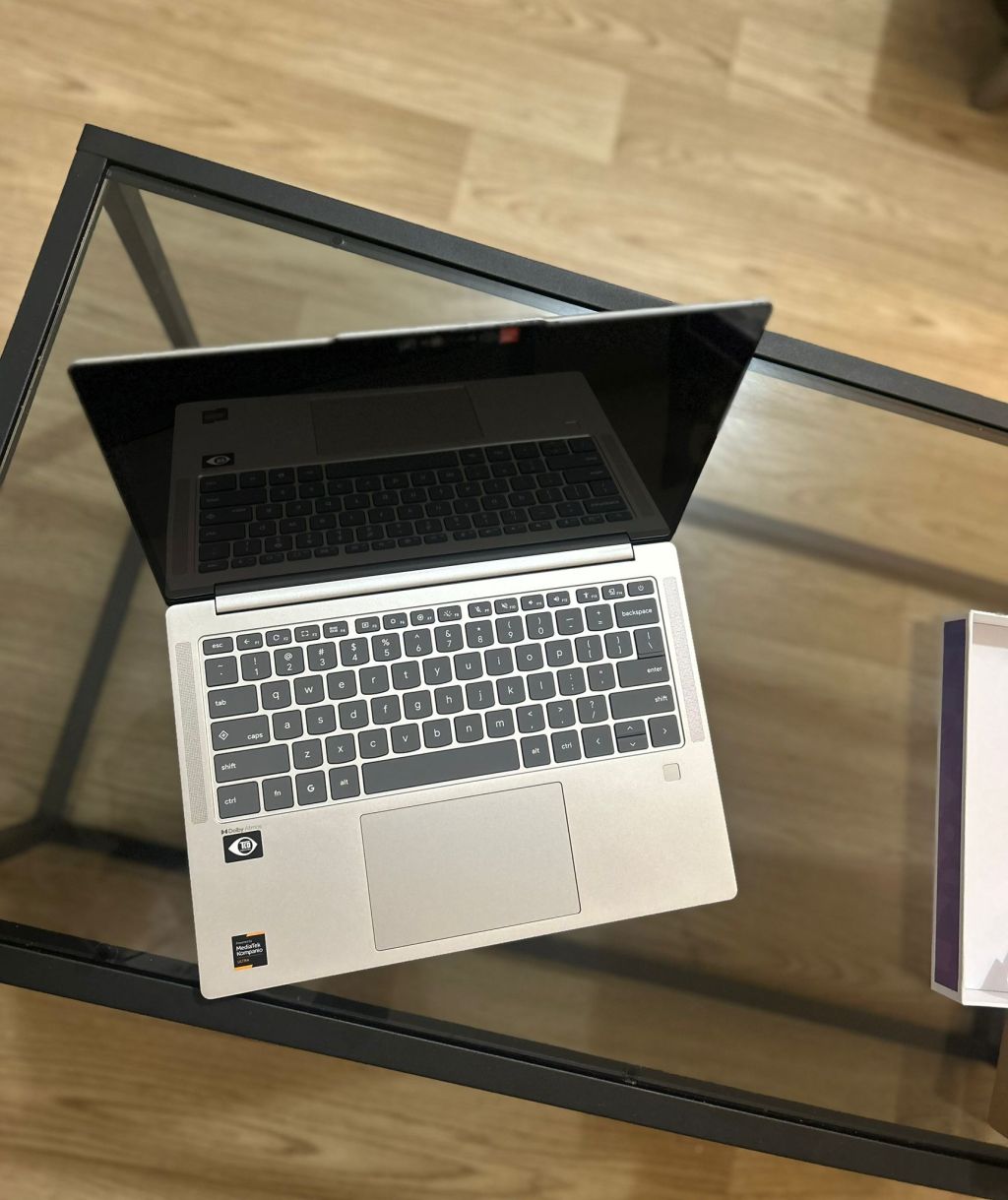
A Chrome Unboxed article recently reported that Acer (who already has an Intel-based Chromebook Plus in their Gaming Edition machine) has joined Lenovo in releasing an ARM-based Chromebook Plus running Mediatek’s 910 Ultra processor.
The specs are below (Source: Chromebook Unboxed):
- Processor: MediaTek Kompanio Ultra
- RAM: 12GB LPDDR5X
- Storage: 256GB UFS
- Screen: 14-inch 16:10 WUXGA (1920×1200) touchscreen @ 300 nits
- Refresh Rate: 120Hz
- Form Factor: 2-in-1 Convertible (“Spin”)
- Connectivity: Wi-Fi 7
- Ports: 2 x USB-C 3.2, 2 x USB-A 3.2, Headphone/Mic,
- Camera: 1080p
- Dimensions: 15.5mm x 313mm x 232mm
- Weight: 3 pounds
Chrome Unboxed listed a Best Buy link that has since been broken (so it appears not to have been released as of writing).
If we go by Chromebook Plus in this range, the price point might possibly be in the $600-700 range. And being honest, it seems like an expensive price range for 12 GB of RAM and a dimmer 300 nit screen, especially when Apple is planning their own budget Macbook at a lower price range early next year. The 2-in-1 tent-style form factor isn’t usually a plus for me unless it includes a detachable keyboard like the Lenovo Duet series.
Pictures indicate there are two USB-C ports on one side and two USB-A ports on the other. Depending on whether both ports are powered, I think it would have been more convenient to have one of each on each side of the machine–for example, if a power outlet is closer to one side versus another. The 256 GB UFS storage is pretty standard for the Plus series (faster than eMMC but slower than a NVMe). The ARM processor should promise longer battery life.
However, unless it has a lower price point than expected, it doesn’t seem much to write home about. That said, I still think it’s important for more manufacturers to put out more capable ARM devices, especially since Chromebooks on less potent Intel processors (the N-series) quickly become e-waste despite a generous support period.
Also, more powerful hardware (while keeping the budget-conscious benefits that started Chromebooks) expands the potential of the ChromeOS platform to allow more app development. In an ideal world, ChromeOS would be cloud-first to keep the OS lean (can’t beat the instant boot time), but with the option of local apps when needed.
We’ll see what happens once it gets released!


 Chromebook Reviews