
It’s a running joke that people often find out about Google projects once they’re getting abandoned. I didn’t know Steam on ChromeOS existed until I got a Chromebook Plus (well, technically a Chromebox with Chromebook Plus specs).
While the ChromeOS platform is designed to be a lightweight productivity machine, it was surprising to see some of the possibilities the Steam on Chrome (Beta) project brought to the able. I was able to play some decent indie games like favorite Buffy clone Slayer Shock and the more well-known racing game from Gameloft Asphalt Legends. No Man’s Sky also played, albeit with lowered graphic settings.
Steam on ChromeOS leveraged a Linux container (included as a default option) and the Proton compatibility layer (which made more Windows games available) in collaboration with Valve. The relatively modest price of admission included ChromeOS devices that met the minimum hardware requirements of an Intel Core i3 or Ryzen 3 CPU, 8GB of RAM, and 128GB of storage.
However, there were probably many reasons why it’s being abandoned:
- Underpowered hardware: Integrated graphics and the above specs only cover some of the more basic low-end or low midrange games and wouldn’t make the platform a sustainable one, especially since only a subset of ChromeOS devices (already a niche product) can run it. Producing more Chromebooks with dedicated graphics and juiced up specs would drive up the cost of ChromeOS machines significantly with the risk of very little financial gain. For better or for worse, ChromeOS has gained a reputation for being a budget market and might not have the demand for higher end machines other than its midrange Plus line for business.
- Competition from Cloud Gaming: There is a gaming Chromebook incarnated in the Acer 516 GE. The Acer was advertised as a cloud gaming machine that would take advantage of NVIDIA’s GeForce Now gaming platform and Xbox Cloud Gaming. Still, after playing with this machine, it seems to be for a more casual gaming demographic.
- Google’s Poor Track Record with Gaming: This is not Google’s first abandoned gaming project, as Stadia was left in the dust back in 2023 and didn’t gain the traction or popularity expected. Even a large company like Google (with all its resources) can spread itself to thin when larger projects like its AI Gemini take up a lot of its bandwidth (literally and metaphorically).
That said, I think ChromeOS’ Android and Linux containers give ChromeOS a lot of possibilities for specialty apps like gaming and for more of a desktop experience while maintaining its lightweight, instant boot-up, cloud-first modularity.
In the meantime, there’s plenty to keep me busy on my Switch 2.


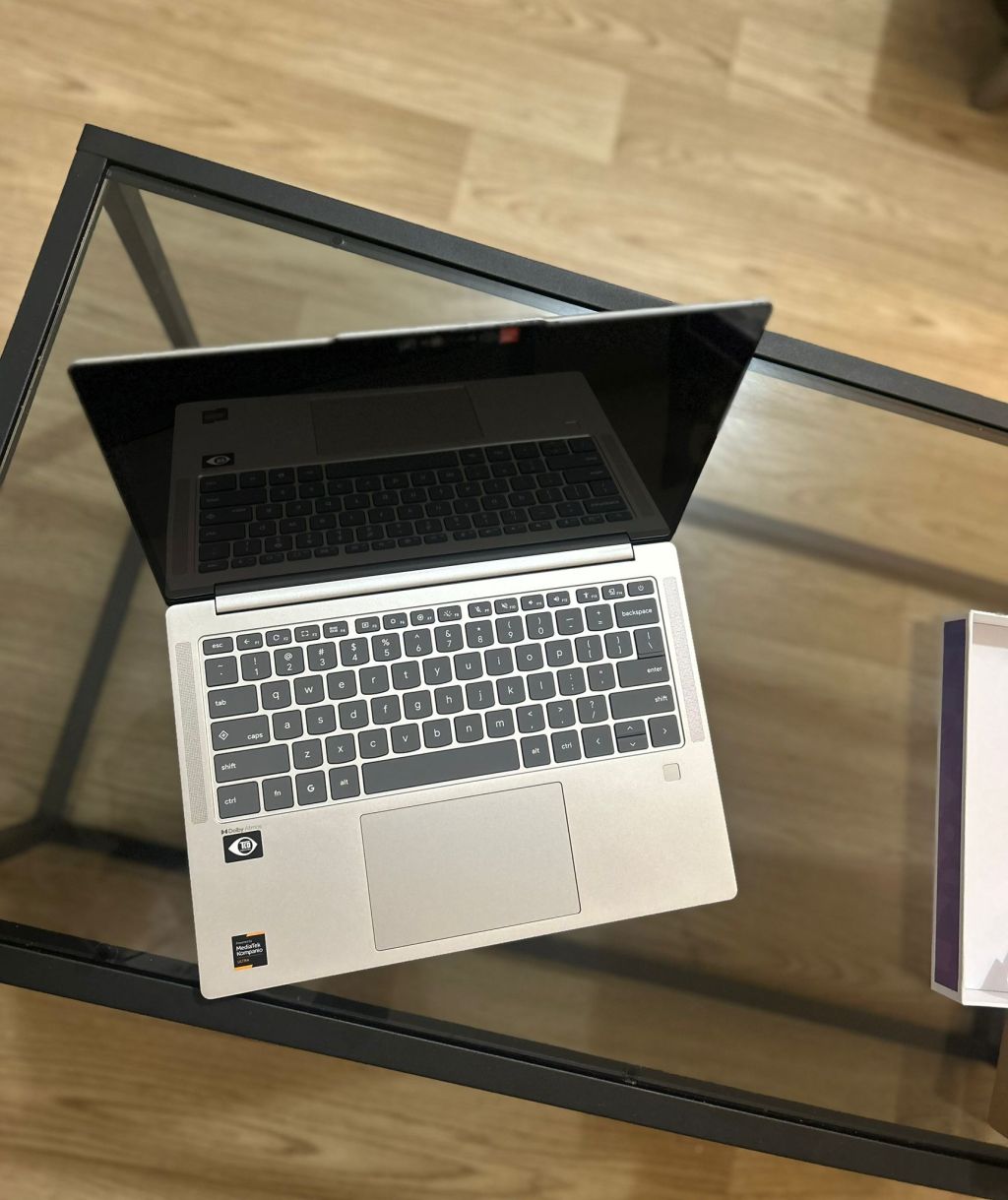
 Chromebook Reviews